
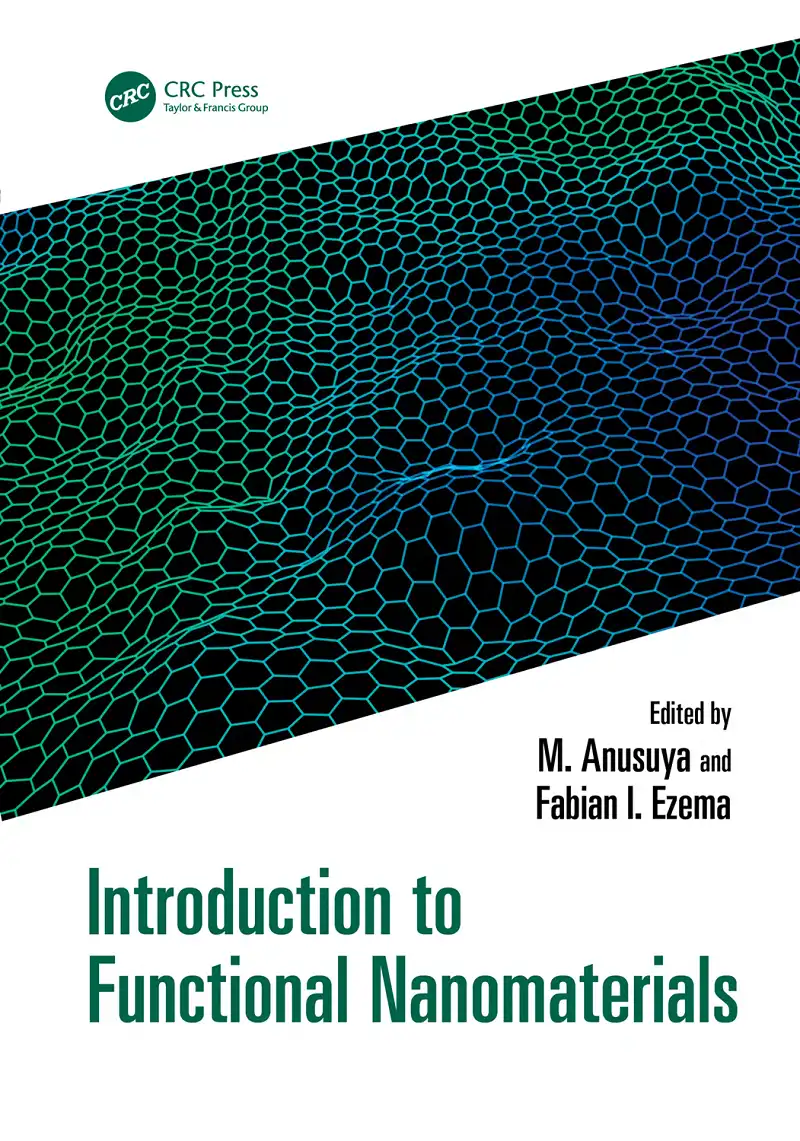
کتاب مقدمهای بر نانومواد عملکردی (Introduction to Functional Nanomaterials) مروری جامع بر نانومواد، شامل نمونههای بنیادی ضروری از نانوحسگرها، نانومواد هوشمند، نانوپلیمرها و نانولولهها ارائه میدهد.
فصول این کتاب سنتز و خصوصیات، روشهای تولید و کاربردهای آنها را پوشش میدهند و بخشهای خاصی به بررسی نانوالکترونیک و فناوری نانو الکترواپتیک، نانوساختارها و نانوادوات میپردازند. این کتاب منبعی ارزشمند برای پژوهشگران میانرشتهای است که میخواهند در مورد سنتز نانومواد و چگونگی استفاده از آنها در انواع مختلف دستگاههای ذخیرهسازی انرژی، از جمله ابرخازنها، باتریها، پیلهای سوختی و سلولهای خورشیدی، علاوه بر مهندسی برق، شیمی و پزشکی، بیشتر بیاموزند.
ویژگیهای کلیدی:
- بحث در مورد پیشرفتهای اخیر در طراحی الکترود مبتنی بر نانومواد، جداکنندهها و ساخت ادوات پیشرفته و عملکرد آنها
- مروری جامع بر چگونگی استفاده از نانومواد در انواع کاربردهای میانرشتهای
- بررسی نظریههای بنیادی، در کنار سازوکارهای الکتروشیمیایی و محاسباتی آنها
مشخصات کتاب Introduction to Functional Nanomaterials
- ویراستاران کتاب: M. Anusuya, Fabian I. Ezema
- سال انتشار: ۲۰۲۵
- ناشر: CRC Press
- زبان کتاب: انگلیسی
- تعداد صفحات: ۴۲۶ صفحه
- کتاب ۴۰ فصل دارد.
- فرمت کتاب: PDF
به منظور تهیه فایل این کتاب ارزشمند، میتوانید از طریق لینک زیر اقدام نمایید:
راهنمای خرید: پس از تکمیل موفقیتآمیز فرآیند پرداخت، بهصورت خودکار به صفحهای هدایت خواهید شد که در آن میتوانید با وارد کردن شناسه اختصاصی، لینک دانلود فایل را دریافت کنید. در صورت بروز هرگونه سؤال یا مشکل، لطفاً از طریق صفحه «تماس با ما» با سایت در ارتباط باشید.
📚 نمایش فهرست مطالب کتاب
Chapter 1: Transparent Contact Innovations for Solar Cells. Chapter 2: Investigation of Crystalline Electron Conductors. Chapter 3: Advancements in EMI Shielding Strategies and Innovations with a Focus on Energy Storage Solutions. Chapter 4: Performance Evaluation and Statistical Analysis of Green Materials for CO2 Reduction Using Fly Ash Mixture. Chapter 5: The Evolution of Energy Storage Devices. Chapter 6: Exploring the Self-Repairing Mechanisms in Polymer Composites for Stretchable and Transparent Conductive Applications. Chapter 7: Deep Learning Empowered Nanotechnology and Energy Storage for Sustainable Environmental Preservation. Chapter 8: Anticancer Potential of Biofunctional Iron Oxide Nanoparticles. Chapter 9: The Artificial Intelligence-Based Revolution in Material Science for Advanced Energy Storage. Chapter 10: Nanoparticles in Tissue Engineering Application and Regenerative Medicine. Chapter 11: The Evolution of Materials through Machine Learning for Enhanced Energy Storage Solutions. Chapter 12: Comprehensive Analysis of Photovoltaic Energy Storage Device controller and Its Applications. Chapter 13: Exploring Semiconductor Device Theory and Real-World Applications with a Focus on Advancements in Energy Storage. Chapter 14: Functional Materials in Cosmetic Nanotechnology. Chapter 15: Emerging Nanomaterials for Advanced Technologies. Chapter 16: Determination of Kinetic Parameters and Mechanical Properties of Nonlinear Optical Single Crystals. Chapter 17: Nanotechnology Innovations in Biomedicine: Applications of Responsive Nanomaterials. Chapter 18: Zirconium's Role in Advancing Electrochemical Energy Storage Devices: A Comprehensive Review. Chapter 19: Nanocomposite Materials for Biomedical and Energy Storage Devices. Chapter 20: Therapeutic Capabilities of Advance Nanomaterials to Enhance the Diabetes Mellitus Treatment. Chapter 21: Machine Learning Applications in Designing Advanced Energy Storage Materials: A Comprehensive Exploration. Chapter 22: Sustainable Solutions on the Horizon: A Critical Review on Bioplastics as Key Materials in Modern Food Science. Chapter 23: Review on Performance Comparison of Contemporary Multi-level Inverter Structures for Energy Storage Applications. Chapter 24: Direction of Energy Storage Failure in Mechanical Industries Using Machine Learning. Chapter 25: Research Tendency Route to Extremely Efficient and Stable Dye-Sensitized Solar Cell Applications. Chapter 26: An Outlook of Organic Photosensitizer for Highly Efficient Dye Sensitized Solar Cell Applications. Chapter 27: Study on Behaviour of Sustainable Green Building Materials in Conoidal Shell Structure. Chapter 28: Strategic and Systematic Approach of Nanomaterials as well as Simulation Studies to Enhance Cancer Therapy. Chapter 29: Role of Nanomaterials in Food Packaging Applications. Chapter 30: Development of Smart Textiles Using Functional Nanofibres for Wearable Technology. Chapter 31: Novel Energy Harvesting Systems for Nanorobots. Chapter 32: Aerodynamic Shape Memory Alloy-based Actuators for Robotics Applications. Chapter 33: Functional Materials for Energy Conversion and Storage. Chapter 34: Exploring Perovskite Solar Cells for Enhanced Photovoltaic Performance. Chapter 35: Nanofunctional Materials in Food Processing. Chapter 36: Design and Optimization of Flexible Electronics Using Organic Semiconductors. Chapter 37: Nanofunctional Materials in Food Processing. Chapter 38: Application Studies: Synthesis, Charactersation, Antimicrobial Activity of LSNN Crystal. Chapter 39: Analysing Wave Propagation Characteristics in Fluid-Conveying Magneto-Thermo-Elastic Zigzag Carbon Nanotubes Subjected to Harmonic Excitation. Chapter 40: Nano Processing and Preservation in Foods.